Arm Optimize™ Program
Course Week 1
Awareness, Activation, Strength & Stability
Wake Up the Brain–Body Connection
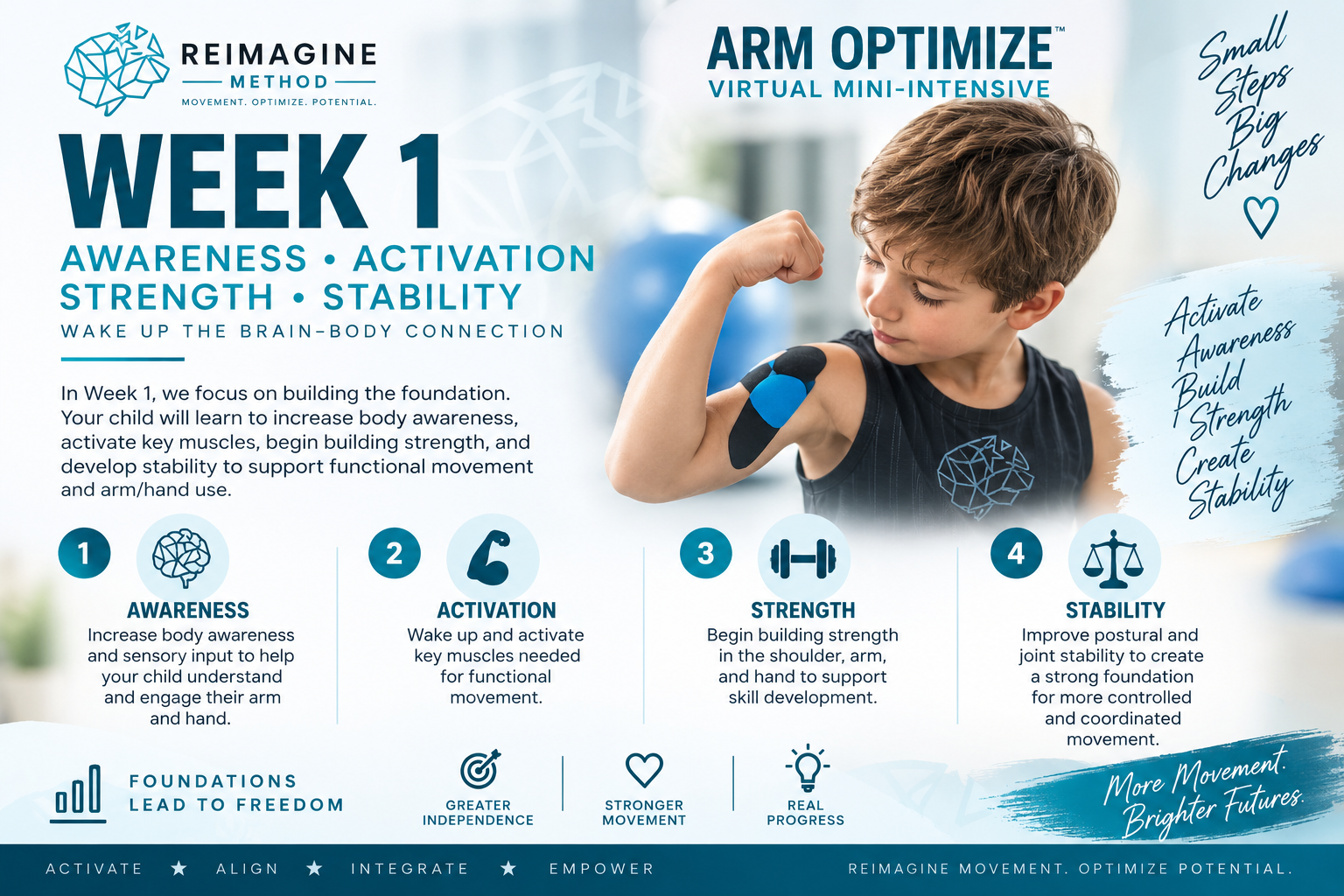
Week 1 wakes up the connection between brain and body. We build awareness of the limb, activate the muscles that have gone quiet, and establish the strength and stability everything else is built on.
- Build body awareness of the arm and hand
- Activate the key muscles of the shoulder, arm, and hand
- Build shoulder, arm, and hand strength
- Establish postural and joint stability
Foundations Lead to Freedom
Week 1 goal
Wake up awareness and activation, and build the strength and stability that make skilled movement possible.
AWARENESS
Notice the limb
ACTIVATION
Wake the muscles
STRENGTH
Build capacity
STABILITY
Hold the base
Weekly live coaching
Live coaching: activation sequencing, handling for POEE, and dosing the first week.
Clinician guide
Clinician guide: Week 1 activation and stability protocol with progression criteria.
Members only — sign in to downloadQ&A recording
Q&A recording: taping questions, tolerance, and what to do when a child refuses weight-bearing.
Week 1 functional arm exercises
Use the 6 Pillars to prepare alignment and stability before adding movement, load, reach, and functional repetition.
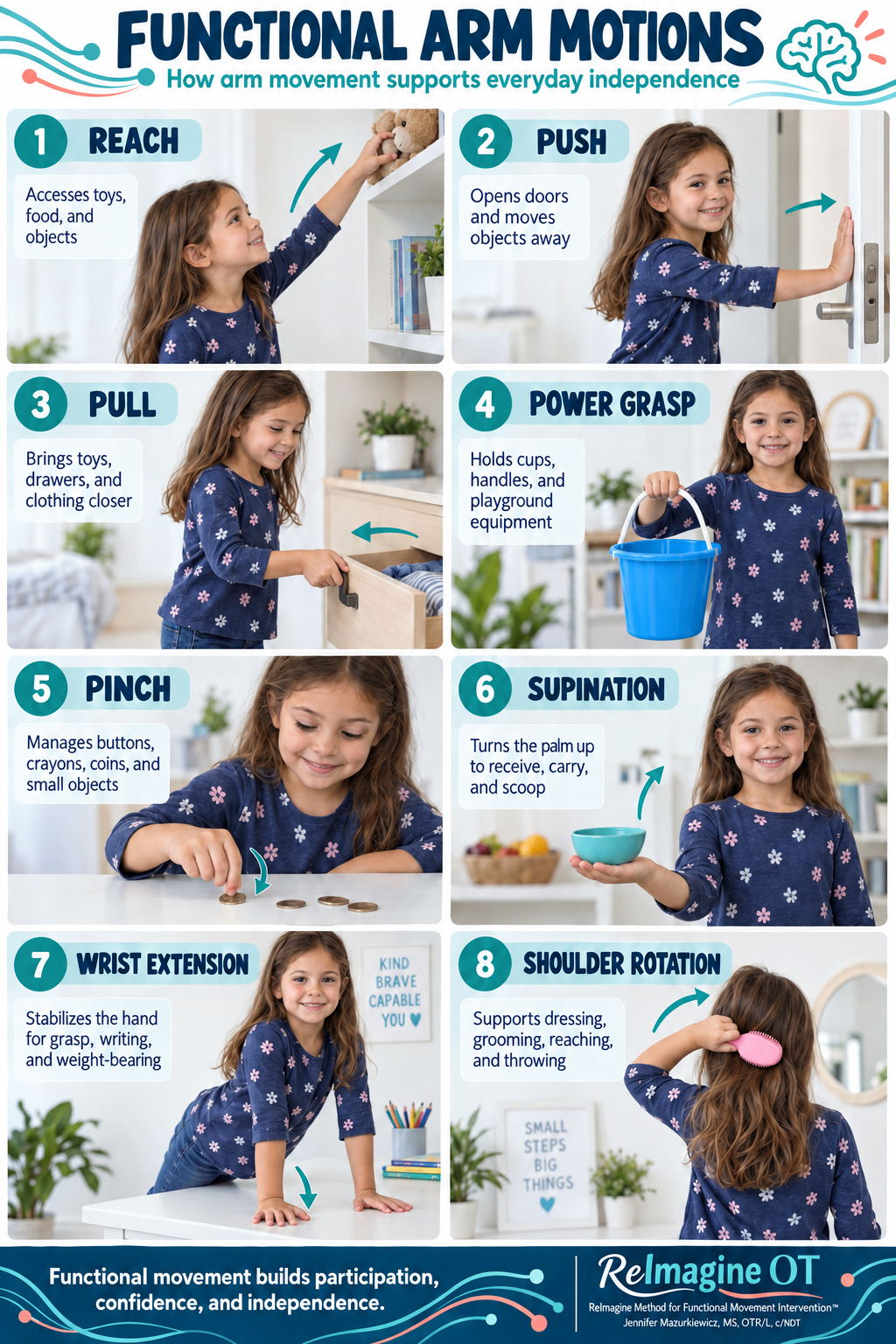
Align & Activate · Reach
Reach
Set the trunk and shoulder first, then reach toward a visible target without collapsing or hiking the shoulder.
Stabilize · Load
Push
Push a wall, door, or stable surface with an open hand while keeping the wrist, elbow, and shoulder aligned.
Load · Add Movement
Pull
Use a drawer, resistance band, or toy to pull toward the body while the trunk stays quiet.
Stabilize · Use
Power grasp
Hold a cup, handle, or bucket with the thumb open and wrist supported; start light and build hold time.
Align & Activate · Use
Pinch
Pick up coins, buttons, or small toys using thumb-to-finger contact without forcing the hand open.
Add Movement · Use
Supination
Turn the palm up to receive, carry, or scoop while keeping the elbow close to the body.
Stabilize · Load
Wrist extension
Use supported weight-bearing and tabletop tasks to hold the wrist up while the fingers work.
Align & Activate · Reach
Shoulder rotation
Practice grooming and dressing motions through a comfortable range without trunk substitution.
POEE stability first
Begin prone on extended elbows with hands under the shoulders, palms open, head lifted toward a target, and support at the trunk or shoulder blade. Use short, successful holds with rest. Progress from holding the position to reaching, pushing, pulling, and grasping only while the shoulder and trunk remain organized. Stop and reset if the wrist collapses, the elbow locks, the shoulder hikes, or the child shows pain or distress.
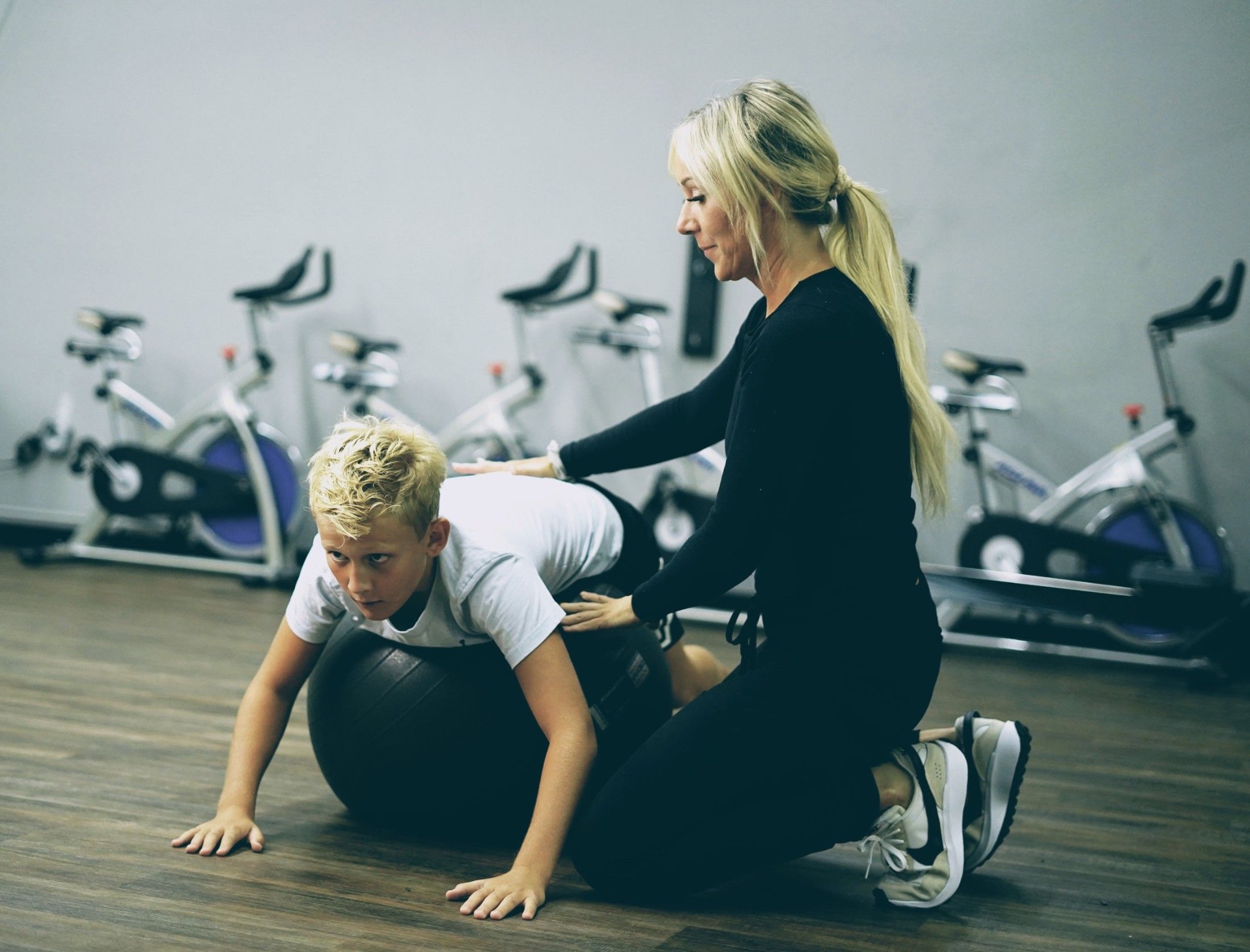
Stabilize · Load · Reach
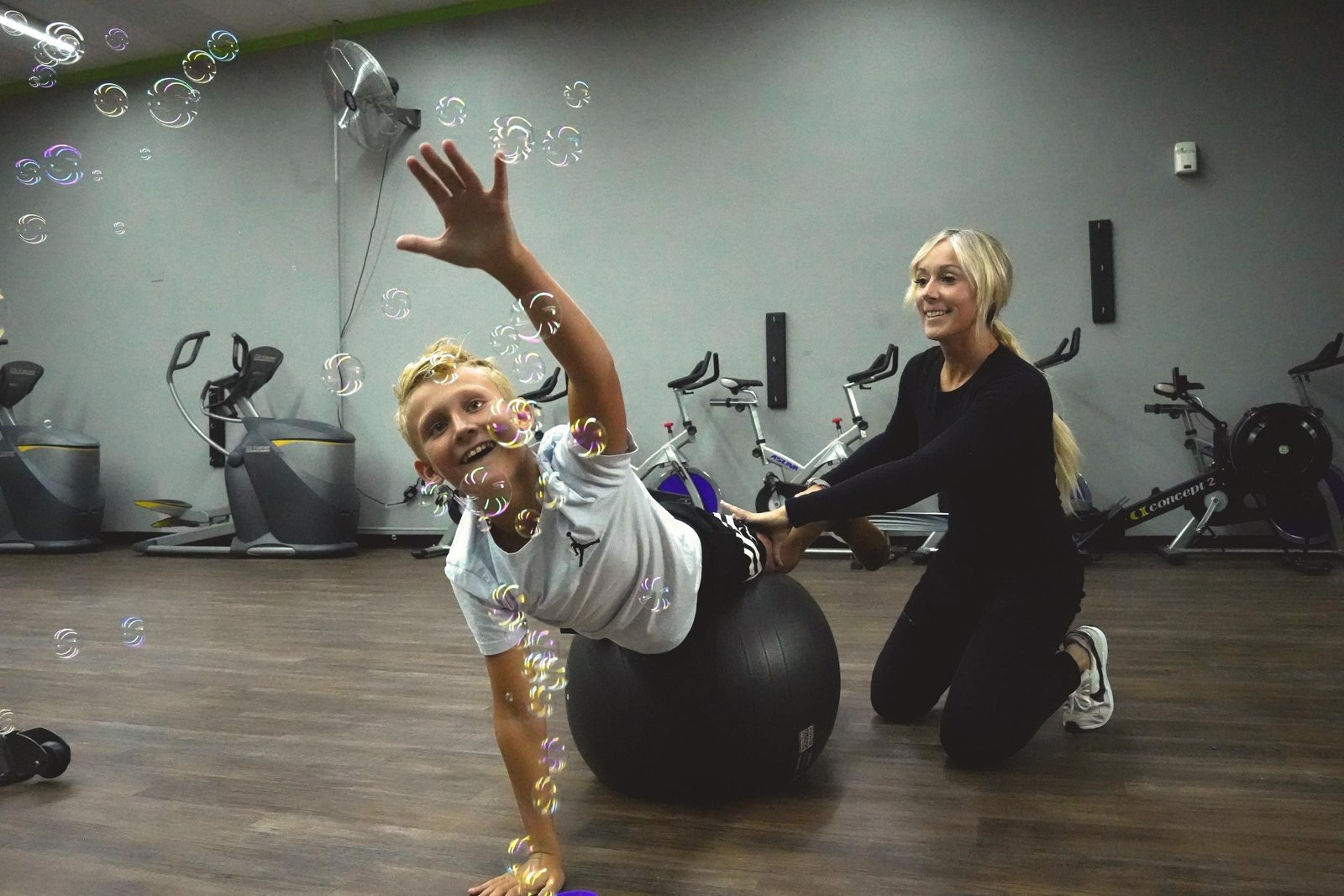
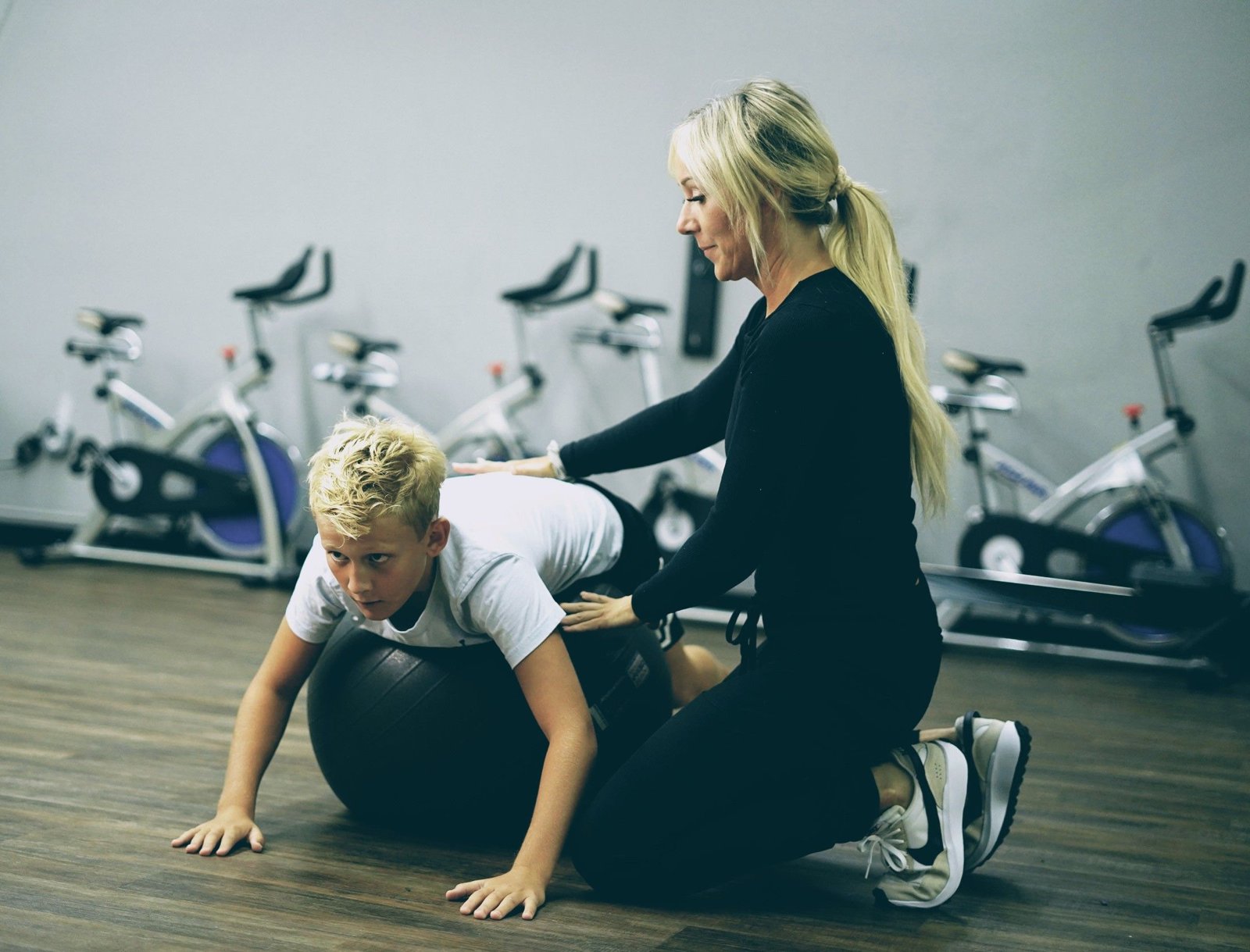
POEE stability on a therapy ball
Exercise: Push · Wrist extension
- POEE:
- Place open hands below the shoulders and support the trunk so both elbows can stay extended without locking.
- Stability:
- Hold the shoulder blades and trunk steady before shifting weight or reaching.
- Coaching:
- Begin with short two-arm holds, then add a small forward target only while alignment stays organized.
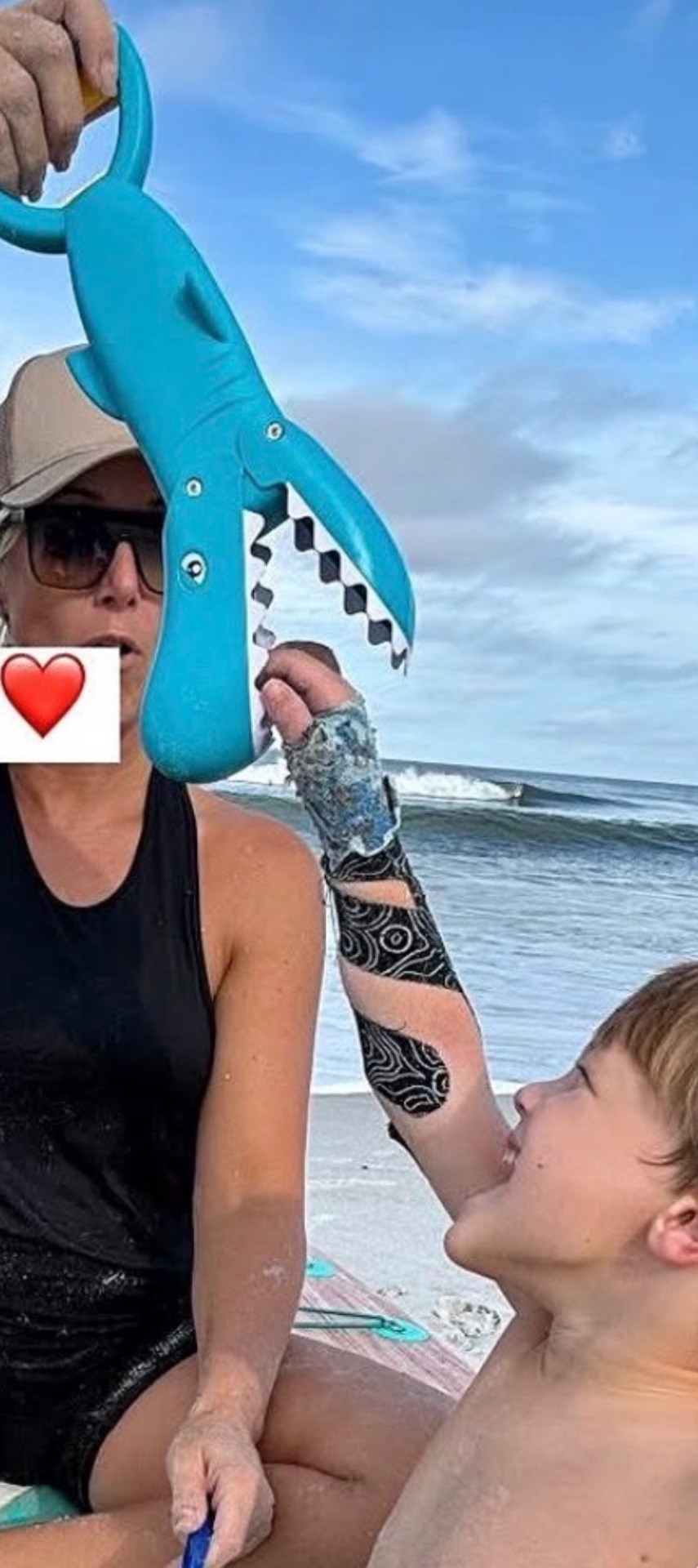
Align & Activate · Reach · Use
Power grasp with overhead reach
Exercise: Power grasp · Reach
- POEE:
- Use POEE or another supported weight-bearing activity first when the shoulder needs preparation before upright reach.
- Stability:
- Set the trunk and shoulder before lifting so the grasp does not depend on shoulder hiking or leaning.
- Coaching:
- Use a motivating lightweight object; preserve thumb opening and a comfortable wrist as the reach rises.
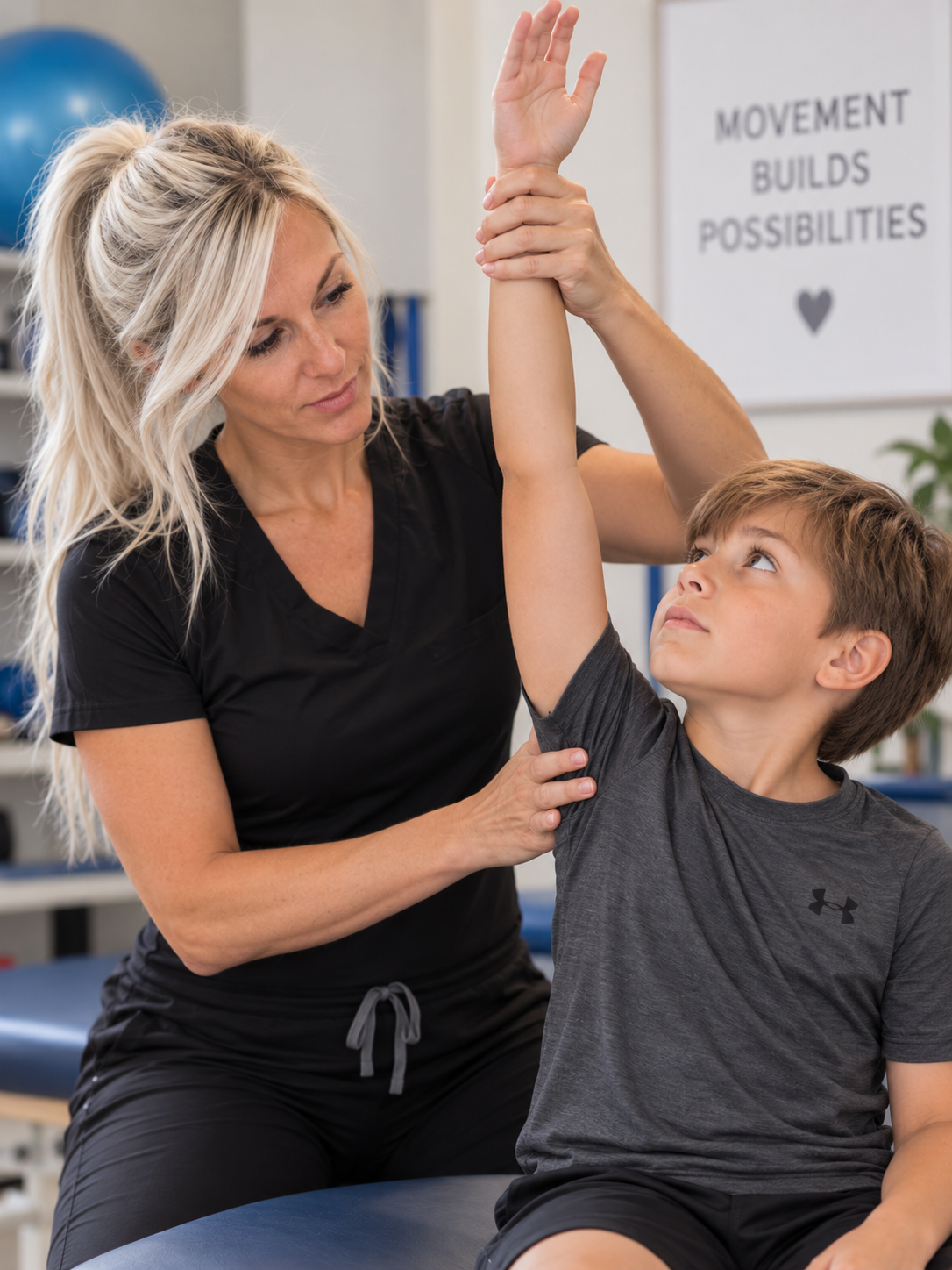
Align & Activate · Add Movement · Reach
Supported shoulder reach
Exercise: Shoulder rotation · Reach
- POEE:
- Prepare with POEE when helpful, then carry the same shoulder-blade support into the upright reach.
- Stability:
- Guide at the shoulder and forearm while keeping the head and trunk centered.
- Coaching:
- Move through a comfortable range and stop before trunk substitution, shoulder hiking, pain or distress.
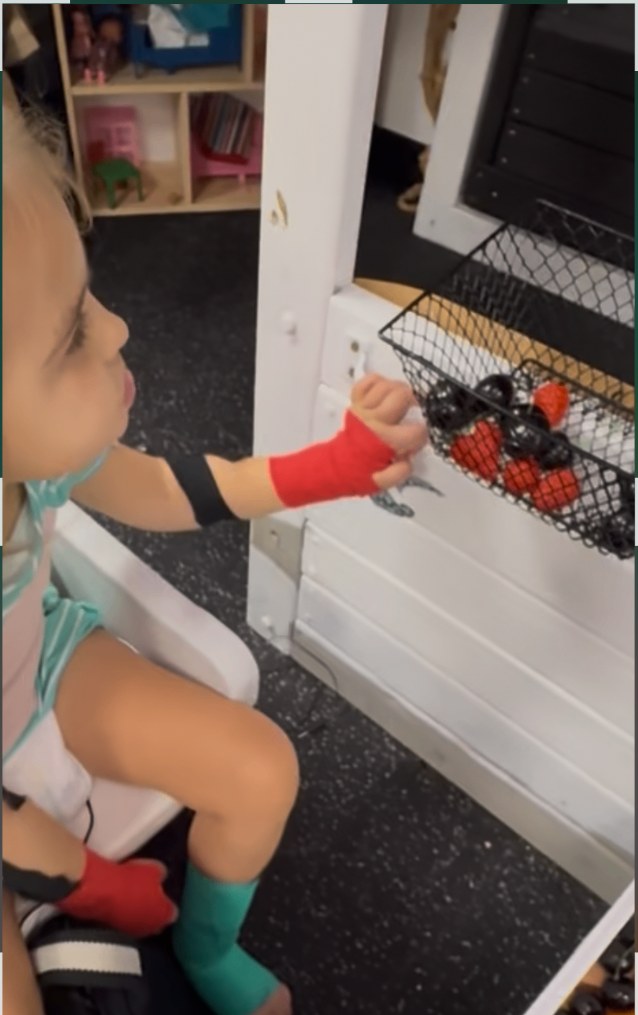
Stabilize · Reach · Use
Arm position for use with stabilization
Exercise: Pinch · Reach · Use
- POEE:
- Use POEE first if the child needs additional shoulder activation before seated hand work.
- Stability:
- Support the feet and trunk; keep the elbow near the body and brace the forearm or wrist on the surface.
- Coaching:
- Place the target at chest height within easy reach so the stable arm holds position while the hand does the work.
Stabilize · Load · Reach
POEE with single-arm reach
Exercise: Reach · Weight shift
- POEE:
- Organize two-arm POEE first, then shift weight onto the supporting arm before lifting the reaching arm.
- Stability:
- Keep the supporting wrist, elbow and shoulder stacked while the trunk stays centered over the ball.
- Coaching:
- Place the target close and slightly forward; return to two-hand support if the shoulder hikes or the trunk rotates.
Align & Activate · Stabilize · Load
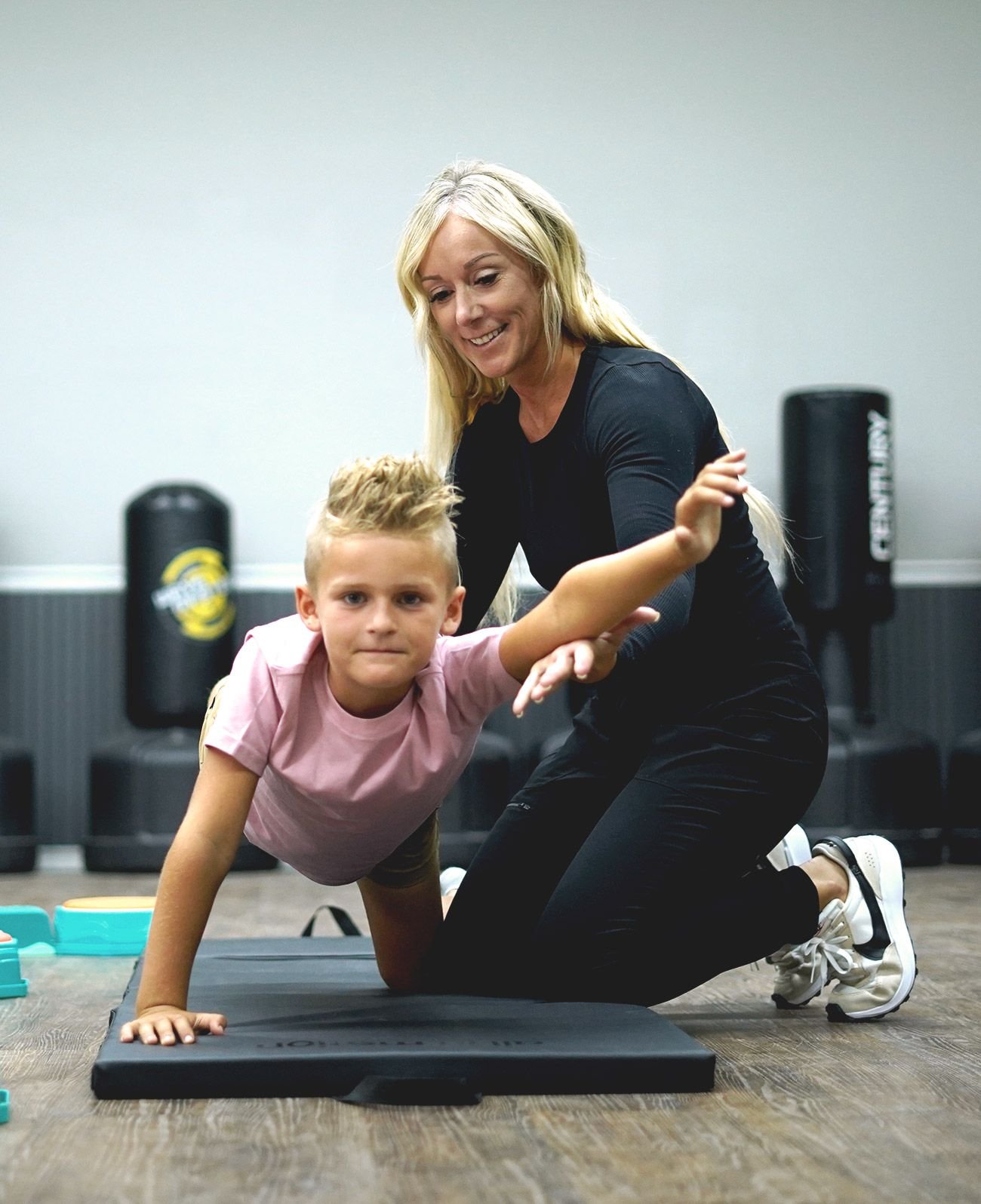
Floor POEE foundation
Exercise: Push · Wrist extension
- POEE:
- Set hands below the shoulders with palms open, elbows extended but not locked, and the head lifted toward a target.
- Stability:
- Provide support at the trunk or shoulder blade until the child can maintain even loading through both arms.
- Coaching:
- Use brief successful holds with rest, then progress to a toy tap or small weight shift without losing alignment.
Stabilize · Add Movement · Reach
Opposing-arm stability with reach
Exercise: Reach · Bilateral coordination
- POEE:
- Build from symmetrical POEE into a controlled side-to-side weight shift before asking one arm to reach.
- Stability:
- The planted hand and shoulder provide the base while the trunk resists collapse and rotation.
- Coaching:
- Reach only as far as the supporting side remains strong; lower the target or return to two hands when form changes.
Align & Activate · Stabilize · Use
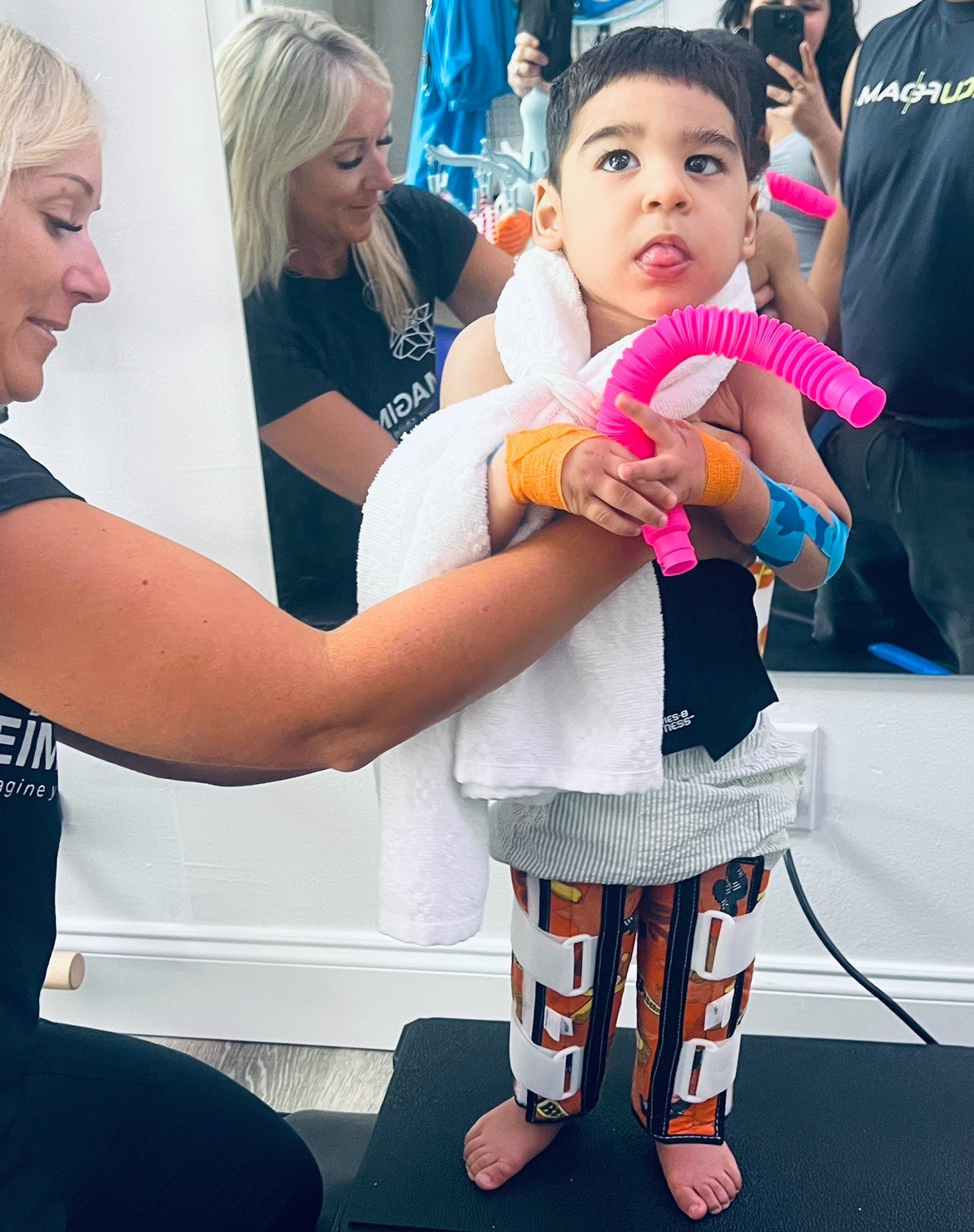
Standing midline grasp and use
Exercise: Power grasp · Pull · Use
- POEE:
- Prepare the shoulder girdle with POEE when needed before moving to an upright bilateral task.
- Stability:
- Support the pelvis and trunk so both shoulders can stay level and the hands can meet at midline.
- Coaching:
- Start with a large easy-to-hold object, then add a gentle pull or release while the body remains centered.
Week 1 demonstration videos
Playback is available to course members. Locked cards show the focus, cues and takeaways only.
Playback, download and printing are available to course members.
Week 1 — Activation & Tools Guide
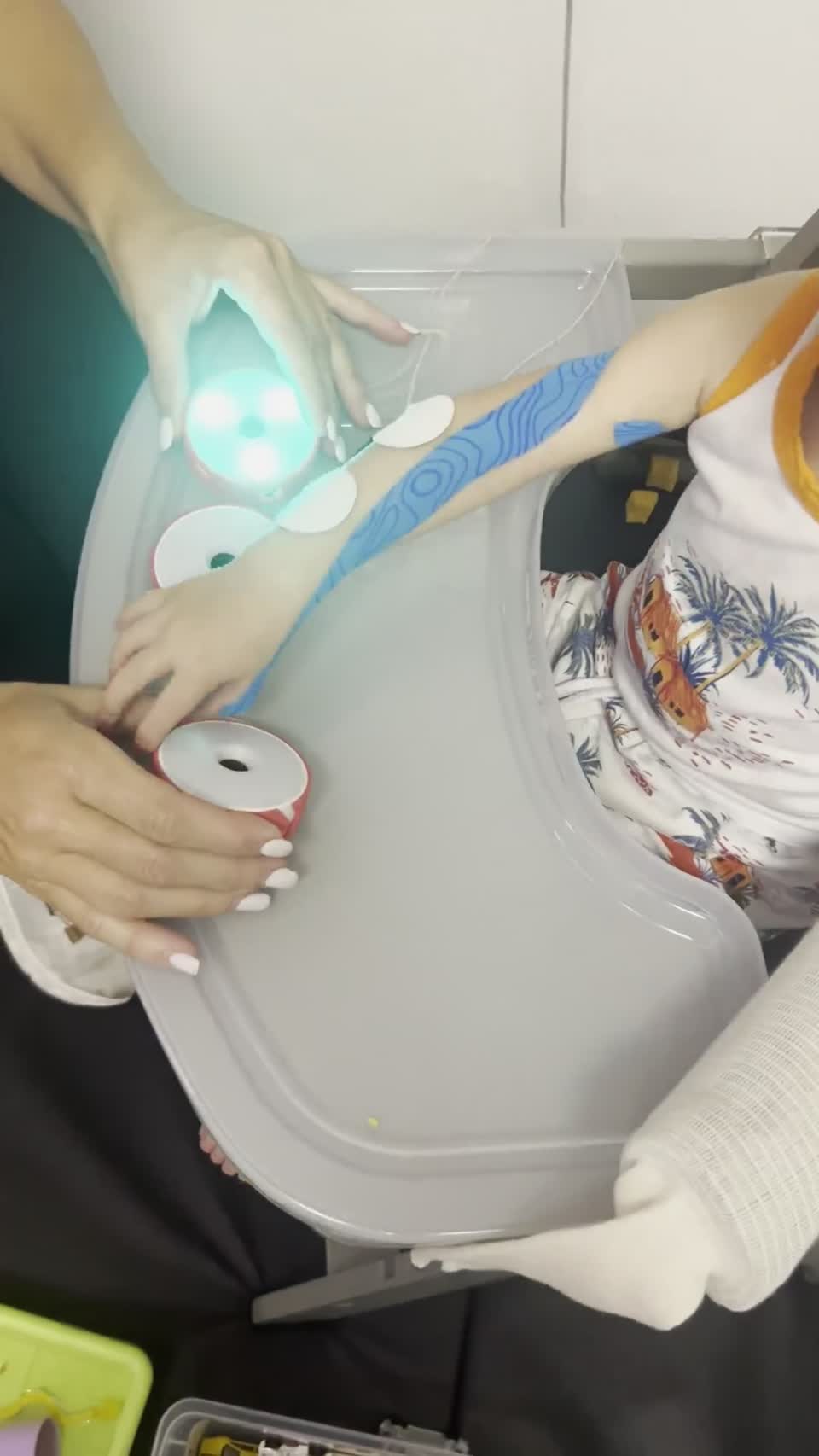
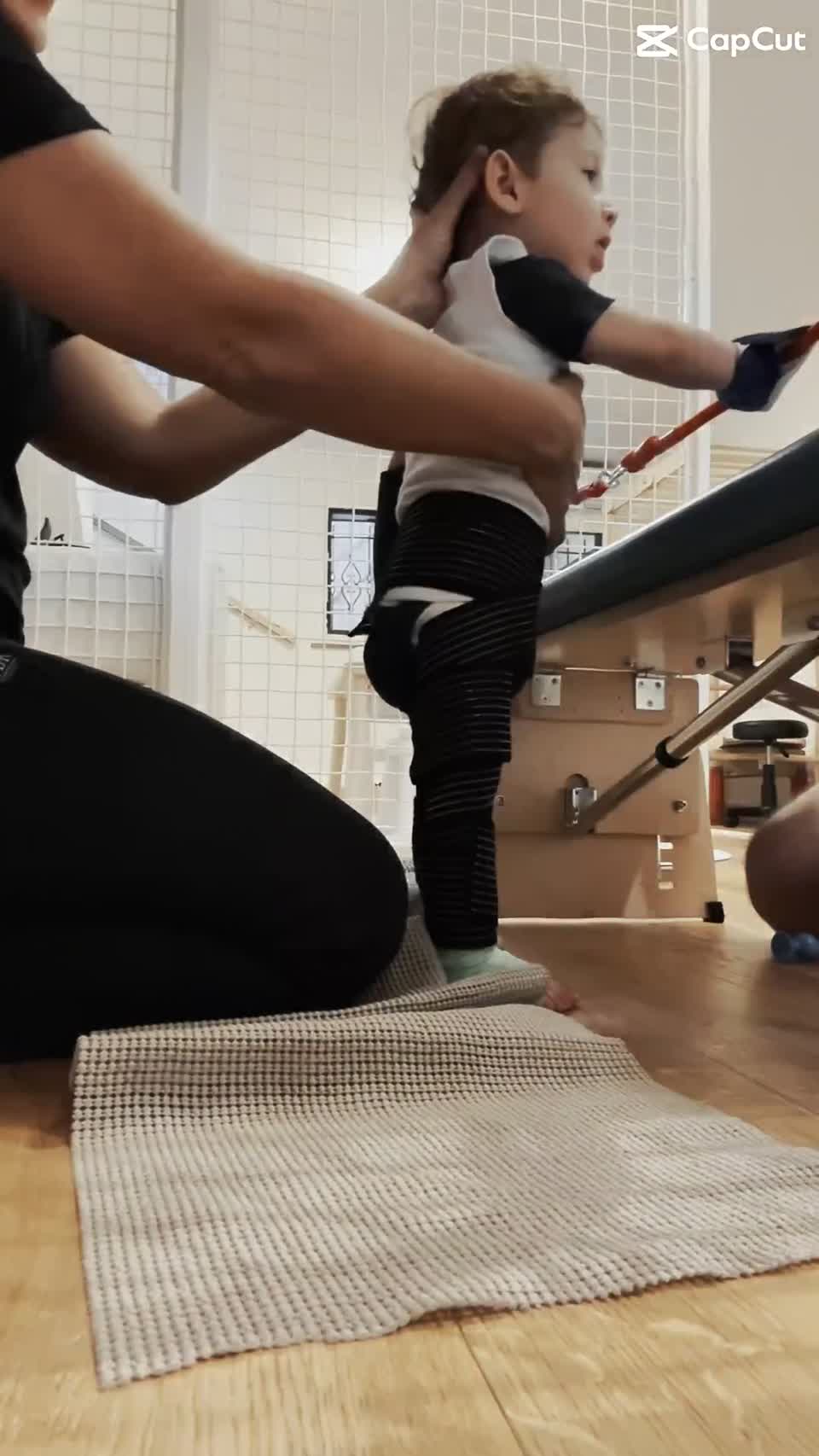
Kinesiotape with Tap-Light Reaching
Brain Tape is applied to cue the shoulder and forearm, then a lit target gives the child an immediate reason to reach. Sensory input first, purposeful movement second.
Coaching cues
- Apply tape with the limb in the lengthened position, then anchor without stretch at each end.
- Set the target just outside easy range so reaching requires forward weight shift, not trunk collapse.
- Cue at the elbow, not the hand — let the child own the last third of the reach.
- Reward every attempt with the light and a short verbal mark: "you got it."
Key takeaways
- Tape is a cue, not a brace — it primes attention to the limb.
- A high-salience target buys you far more repetitions than a verbal request.
- Pair activation with something the child wants to touch.
Playback, download and printing are available to course members.
Week 1 — POEE & Weight-Bearing Activation
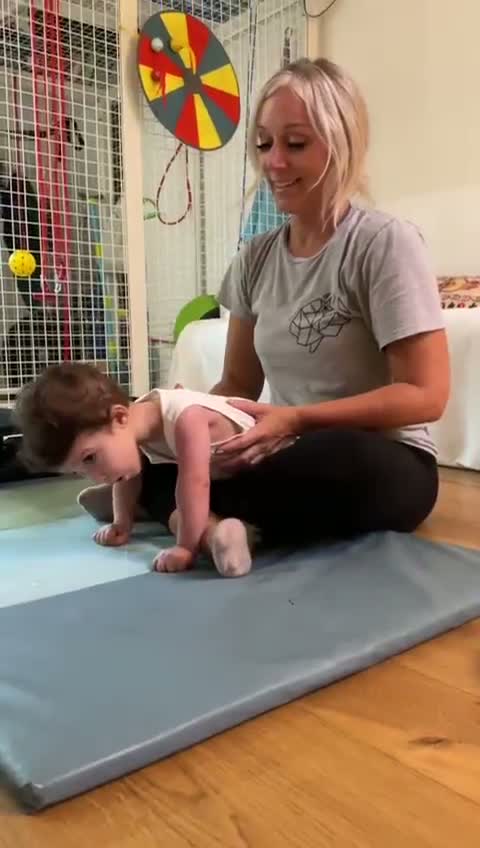
Prone on Extended Elbows (POEE) — Toddler
Prone on extended elbows builds the weight-bearing base the arm needs before it can reach. Handling supports the shoulder girdle while the child holds the position actively.
Coaching cues
- Set the hands under the shoulders with the palm open and fingers spread.
- Facilitate at the scapula and trunk — avoid pulling on the wrist or fingers.
- Keep the head up and eyes on a target to recruit the extensors.
- Work in short holds with rest, not one long hold to fatigue.
Key takeaways
- Weight-bearing through an open hand is activation and sensory input in one.
- Stability at the shoulder girdle is what makes distal control possible.
- Grade the challenge with surface height before you reduce your hands.
Playback, download and printing are available to course members.
Week 1 & 2 — Postural Control, Stability & Activation
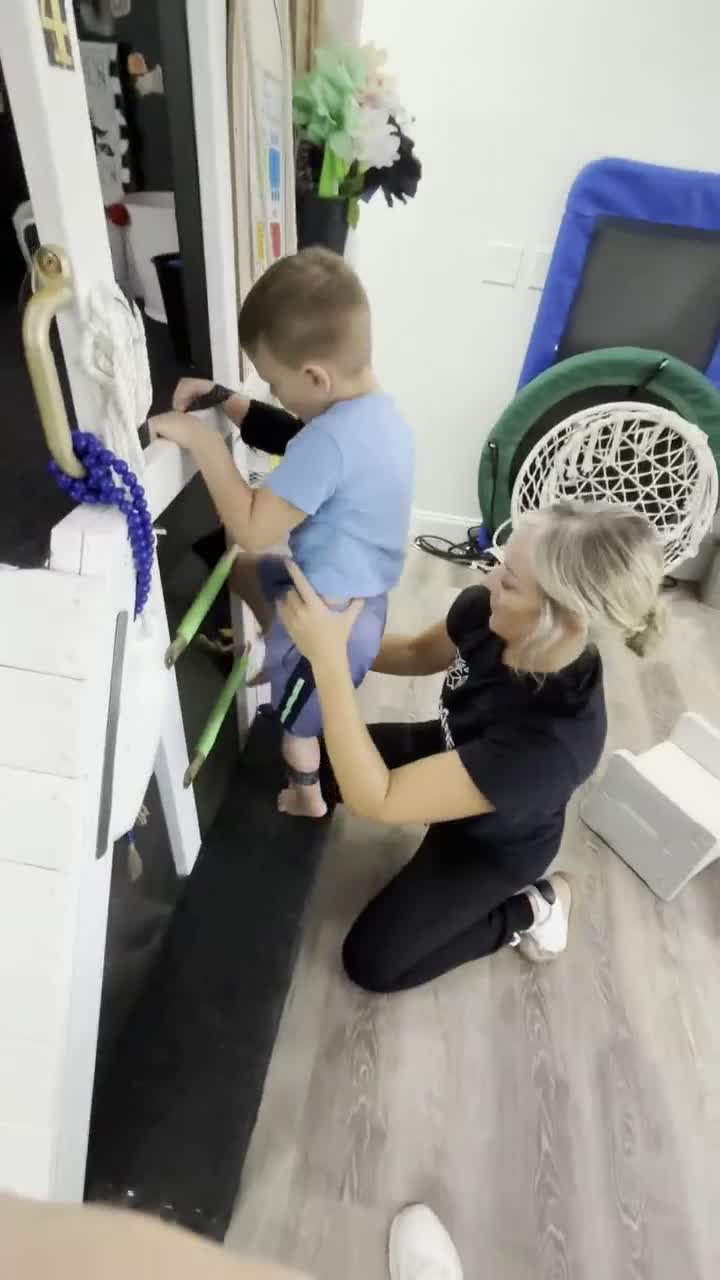
Arm Grasp for Stability (POEE)
The affected arm holds while the body moves around it. Grasp becomes the anchor for postural work instead of the end goal.
Coaching cues
- Set the grip first, then ask for movement of the trunk or legs.
- Watch for wrist flexion creeping in — reset the position rather than pushing through it.
- Count out loud so the hold is predictable and the child can pace effort.
Key takeaways
- Sustained grasp trains endurance that isolated repetitions do not.
- Postural demand and hand demand can be trained in the same rep.
Playback, download and printing are available to course members.
Week 1 & 2 — Postural Control, Stability & Activation
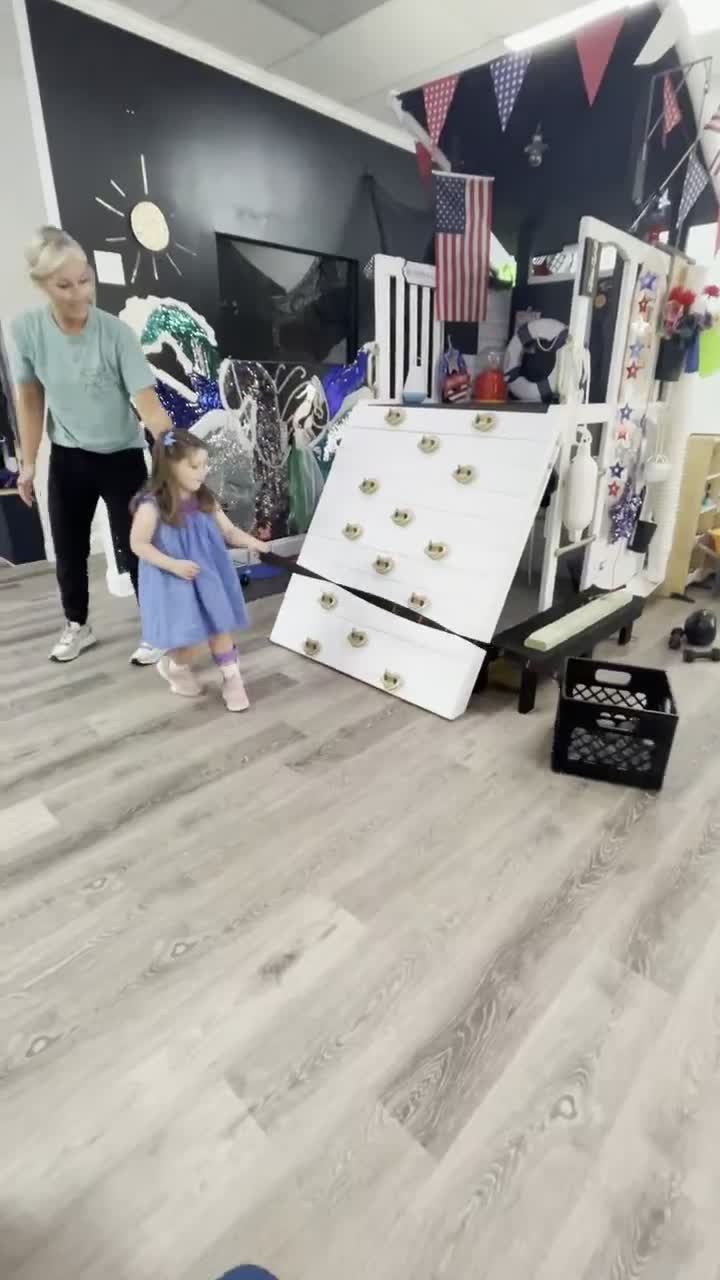
Arm Grasp Pull — Body Ladder
Hand-over-hand pulling drives the body forward, loading the shoulder through range while the trunk stays organized.
Coaching cues
- Anchor the pull low so the shoulder works below 90° before you go overhead.
- Alternate hands to keep both sides in the pattern.
- Stop the set when the trunk starts to twist to substitute for the arm.
Key takeaways
- Pulling patterns recruit the whole chain from hand to hip.
- Bilateral alternation keeps the stronger side from taking over.
Playback, download and printing are available to course members.
Week 1 & 2 — Strength & Stability
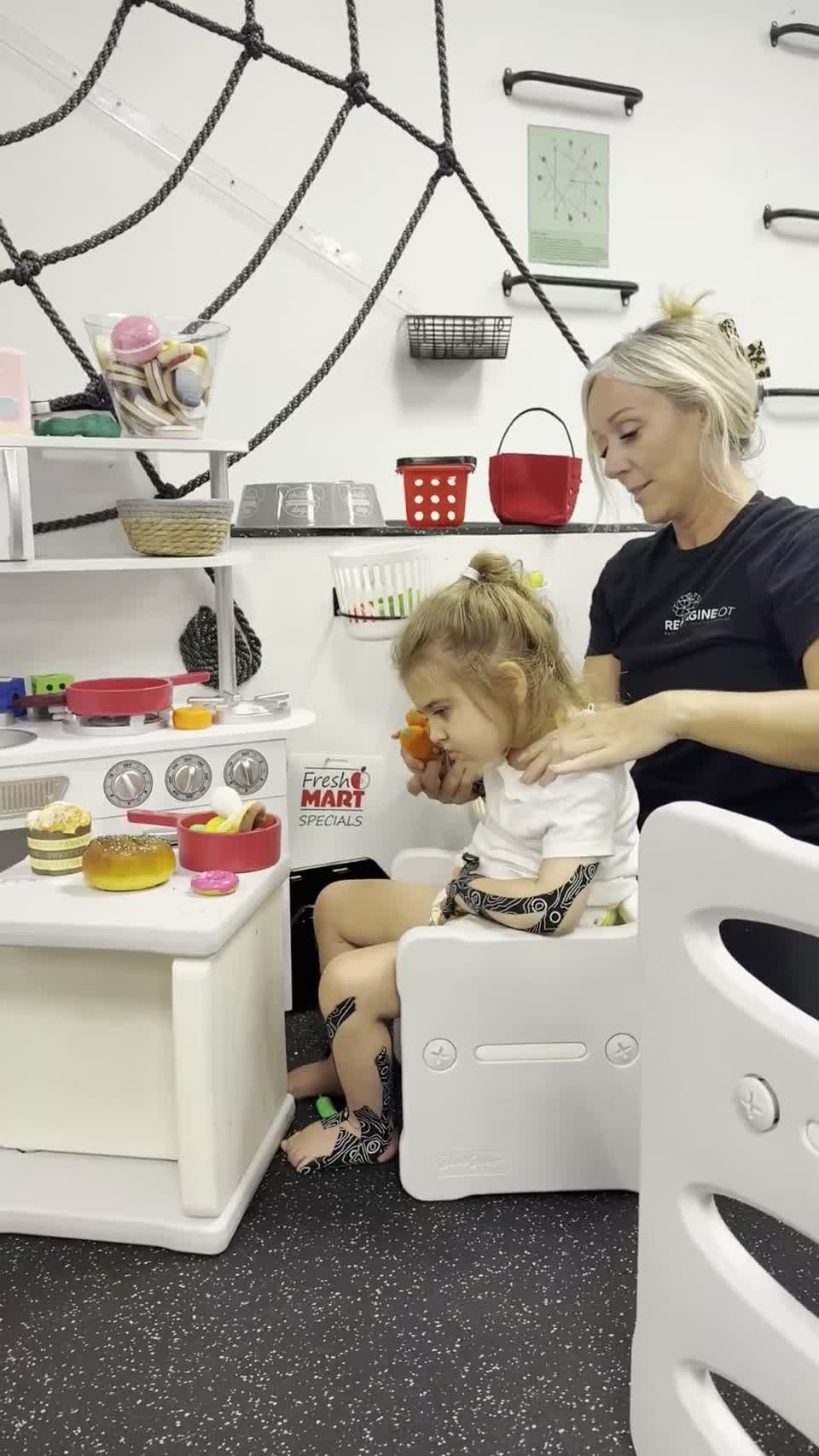
Heavy Pull with Grasp
Resistance gives the hand a reason to hold on. Heavy work builds grip endurance and proximal strength at the same time.
Coaching cues
- Load enough that the child has to set the grip deliberately, not so much that the wrist collapses.
- Keep the elbow tracking close to the body on the first pulls.
- Use full-effort sets of 5–8 with real rest between them.
Key takeaways
- Grip endurance is trainable and it transfers to carrying and dressing.
- Heavy work also delivers proprioceptive input that calms and organizes.
Playback, download and printing are available to course members.
Week 1 & 2 — Dissociation, Postural Stability & Controlled Reach
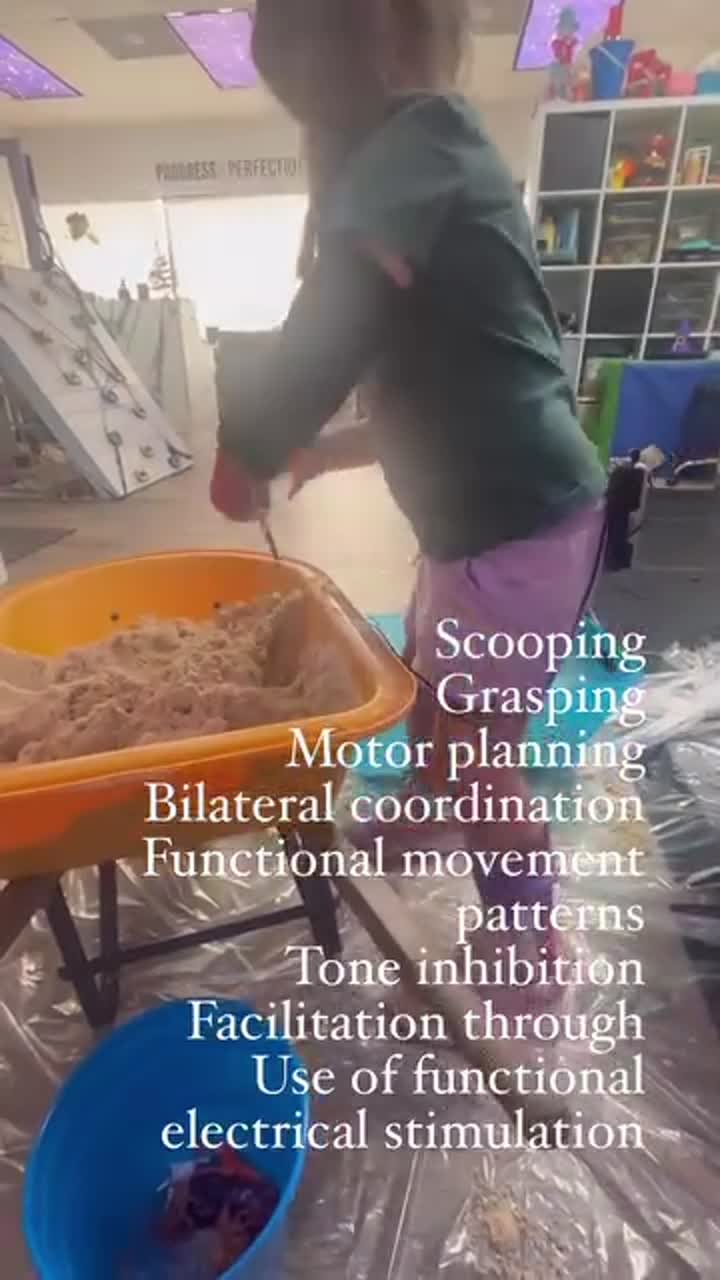
Sit with Reach — Trunk Stability & Dissociation
Reaching across and away from midline in sitting teaches the trunk to hold while the arm travels — the definition of dissociation.
Coaching cues
- Feet supported, hips back — build the base before asking for reach.
- Move the target through arcs: across midline, overhead, then down and out.
- Look for the trunk staying quiet; if it follows the arm, shrink the arc.
Key takeaways
- Controlled reach depends on a trunk that can stay still.
- Range should grow only as fast as control allows.
Playback, download and printing are available to course members.
Week 1 — Functional Grasp, Load & Use
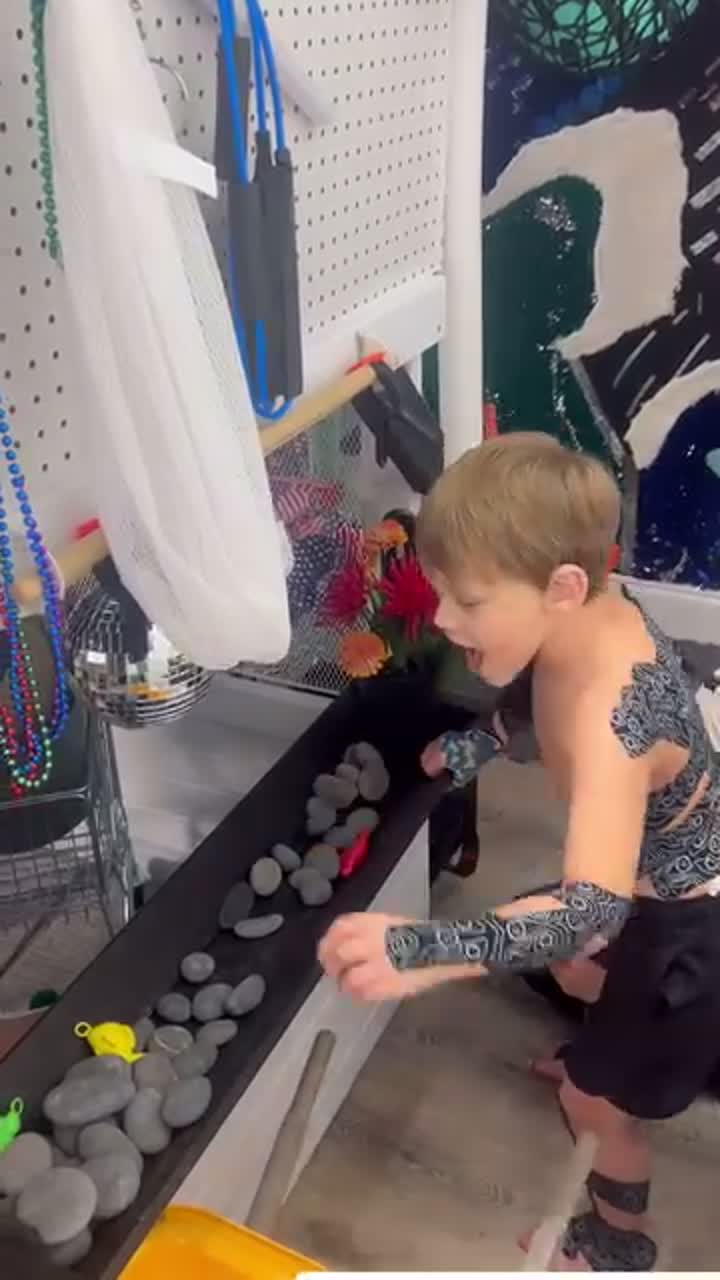
Functional Scooping, Grasping & Bilateral Coordination
A purposeful scooping task combines sustained grasp, bilateral coordination, motor planning and functional repetition.
Coaching cues
- Organize the trunk and shoulder before beginning the scoop.
- Support the assisting arm only as much as needed to keep both sides involved.
- Use a manageable load so the wrist stays aligned through the full movement.
Key takeaways
- A meaningful task can train grasp, load and coordinated movement in the same repetition.
- Reduce the load before reducing the child's active participation.
Playback, download and printing are available to course members.
Week 1 — Stabilize, Reach & Use
Loaded Reach in a Functional Task
Repeated reaching into a motivating play task builds shoulder stability, wrist control and purposeful arm use.
Coaching cues
- Set the shoulder and trunk before each reach.
- Place targets at varied heights while preserving wrist and elbow alignment.
- Pause or shorten the reach when shoulder hiking or trunk substitution appears.
Key takeaways
- Functional repetition turns isolated movement into useful arm control.
- Quality alignment matters more than reaching farther.